Open 24/7, Monday to Sunday | Serving Columbia since 2018(573) 520-7478
Holden Dumpster RentalDumpster Rental Columbia, MO
Dumpster Rental Columbia, MO

Local debris service

Dumpster Rental Columbia, MO

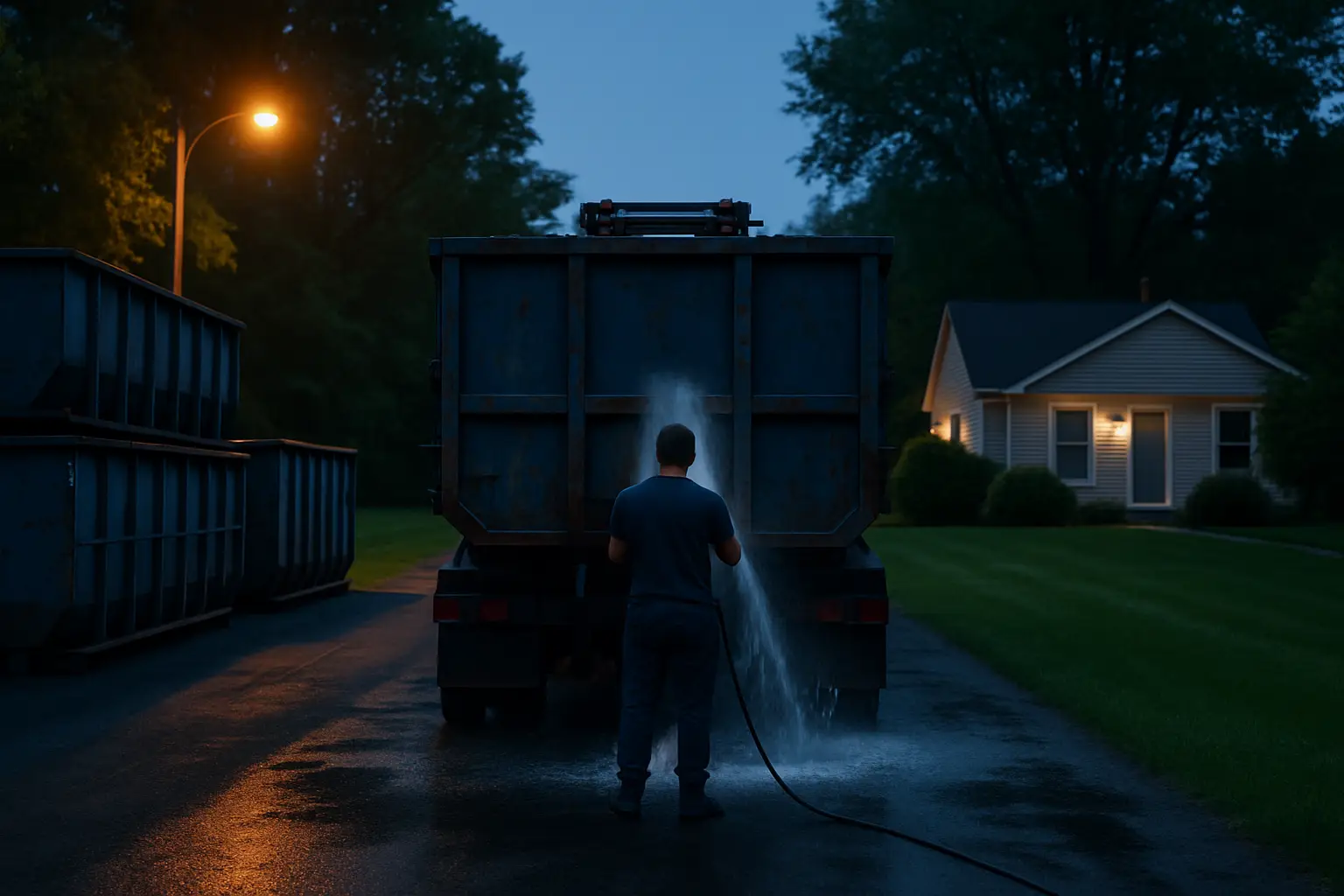
Holden Dumpster Rental confirms delivery windows and container placement, with a photo record for your property.

Dumpster Rental Columbia, MO gives Holden Dumpster Rental customers a practical way to handle remodeling debris, cleanouts, roofing material, and heavier projects. We help choose the container size, check the access, and plan placement before the truck arrives. Service is available 24/7, Monday to Sunday.

  • Licensed, bonded and insured
  • Serving the area since 2018
  • 4180+ containers delivered

Columbia operators

Dumpster service built around the actual job

Holden Dumpster Rental serves Columbia property owners, contractors, landlords, and businesses with containers matched to the material being removed. A bathroom refresh rarely needs the same capacity as a roof tear-off, and concrete changes the weight conversation before it changes the volume. We ask about the debris, the loading area, and the truck path instead of pushing the largest container. That keeps placement practical and can prevent an avoidable overage or failed delivery. From older homes near downtown to newer construction on the edge of town, the site conditions matter as much as the container size.

The company has served the area since 2018 and has delivered 4180+ containers. Holden Dumpster Rental is Licensed, bonded and insured, with scheduling handled around the real conditions at your property. Columbia's streets can narrow around older blocks, while newer subdivisions may have fresh pavement, tighter driveways, or neighborhood restrictions that affect where equipment can sit. We review those details before dispatch. Availability is 24/7, Monday to Sunday, although the workable delivery plan still depends on access, ground conditions, material, and any permission required for public placement.
  • Open 24/7, Monday to Sunday
  • Serving Boone County

Placement planning

Where a Columbia container can safely sit

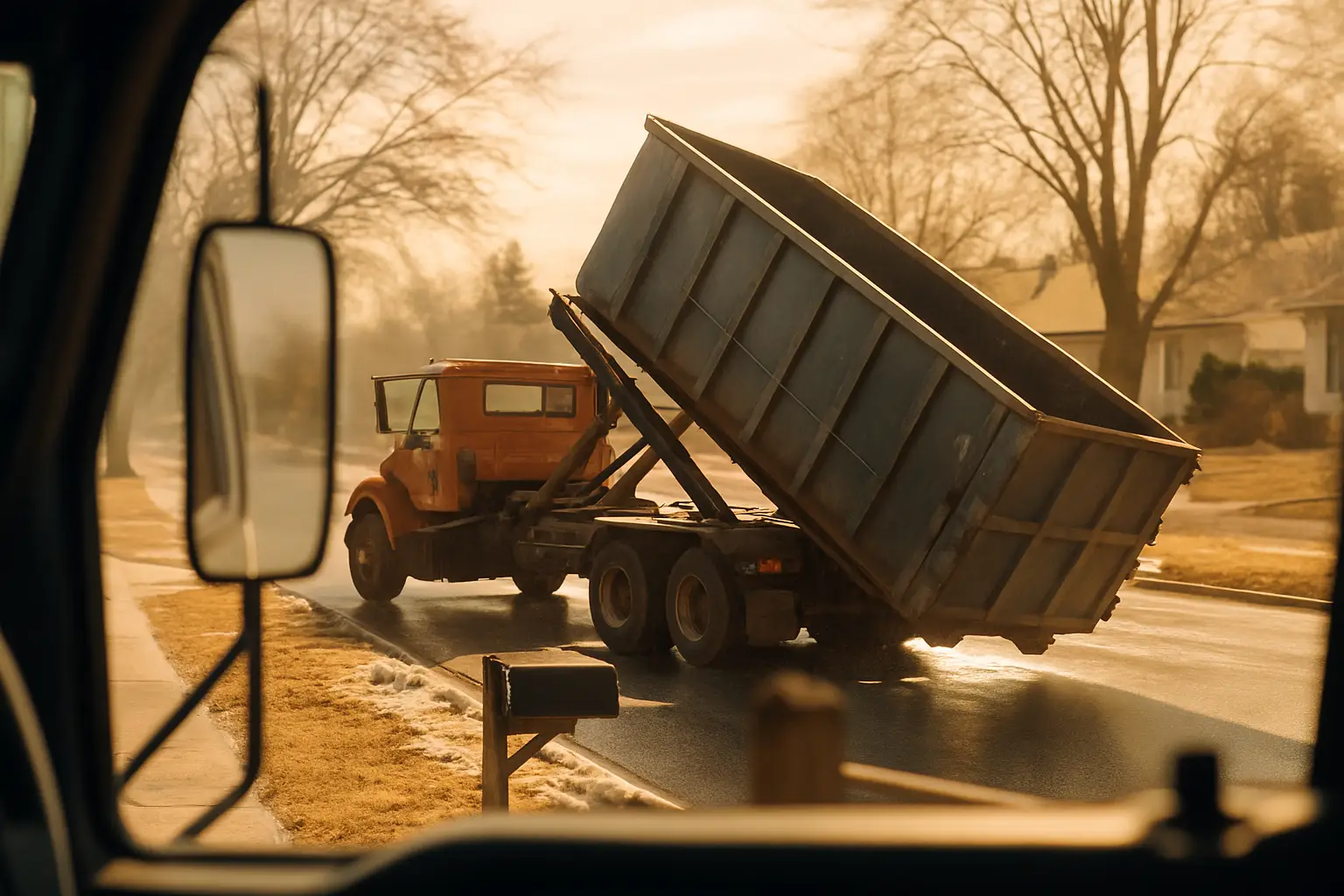
In Columbia, the easiest placement is usually a firm, level driveway with enough straight approach for the truck to enter, align, and leave without crossing fragile landscaping. Older blocks near downtown may have narrow lots, parked cars, sidewalks, and limited setback, while newer subdivisions can have clean driveways but tight turnarounds or unfinished shoulders. A container on a public street usually needs town permission first; tell us where it has to sit and we will explain what applies. Keep gates open, vehicles moved, and the landing area free of branches, low wires, masonry, and loose soil. Soft ground after wet spring weather may need a different location than the same property would use during dry conditions.

The truck needs more than the container footprint. It needs a clear approach, overhead clearance, room to align, and ground that can support the equipment without rutting or shifting. Steep grades, drainage swales, culverts, and narrow rural lanes around Columbia can change whether a proposed location is practical. Do not assume a side yard works because it looks open from the house. We need to know about gates, retaining edges, shared drives, traffic, and any surface that could be damaged. Photographing or describing the area before scheduling helps identify a safer landing point and avoids moving cars or materials after the truck is already on the street.

Name the exact placement surface, such as driveway, alley, lot, or public street.

Keep the truck approach clear of vehicles, branches, wires, gates, and construction materials.

Mention slopes, soft ground, culverts, and shared access before delivery is scheduled.

Size and weight

Columbia homes change the size decision

Columbia's housing stock ranges from older homes with plaster, lath, hardwood, and compact rooms to newer construction with drywall, engineered flooring, cabinets, and manufactured materials. A room renovation can produce more dense debris than its floor area suggests when layers are removed. Older basements may also contain masonry, damp wood, or decades of stored material. Those loads should not be estimated only by how many bags or truckloads they seem to represent. Describe the building age when known, the rooms involved, and whether the work includes tile, brick, concrete, dirt, shingles, or appliances. Material type tells us more than a vague description such as a small remodel.

Roofing and demolition work often create dense, irregular loads that consume weight capacity quickly. A large container may provide volume but still be the wrong choice for concentrated heavy debris. Conversely, bulky furnishings, clean cardboard, brush, or light household contents may fill space before reaching a weight concern. Columbia's freeze and thaw cycles can leave outdoor debris wet and heavier, especially after spring storms. Load heavy material low and spread it across the floor, keep the contents below the fill line, and ask before mixing questionable materials. The least expensive workable option is often the container that matches both the material and the amount, not simply the biggest box available.

Tell us which rooms, surfaces, and building materials the project will remove.

Treat concrete, dirt, brick, tile, shingles, and wet debris as weight concerns.

Choose capacity from both the expected volume and the material density.

Project options

Columbia dumpsters for cleanouts and construction

Start with the material and loading conditions, then select the container that leaves enough room without paying for capacity the project will not use.

  • Household Cleanout Dumpsters

    A household cleanout may include furniture, cabinets, flooring, boxes, and mixed debris. We discuss the rooms being cleared and identify unusually heavy materials before choosing a size. That matters in Columbia homes where a partial cleanout may fit a smaller container than a full property turnover.

    Home cleanouts
  • Garage and Basement Cleanouts

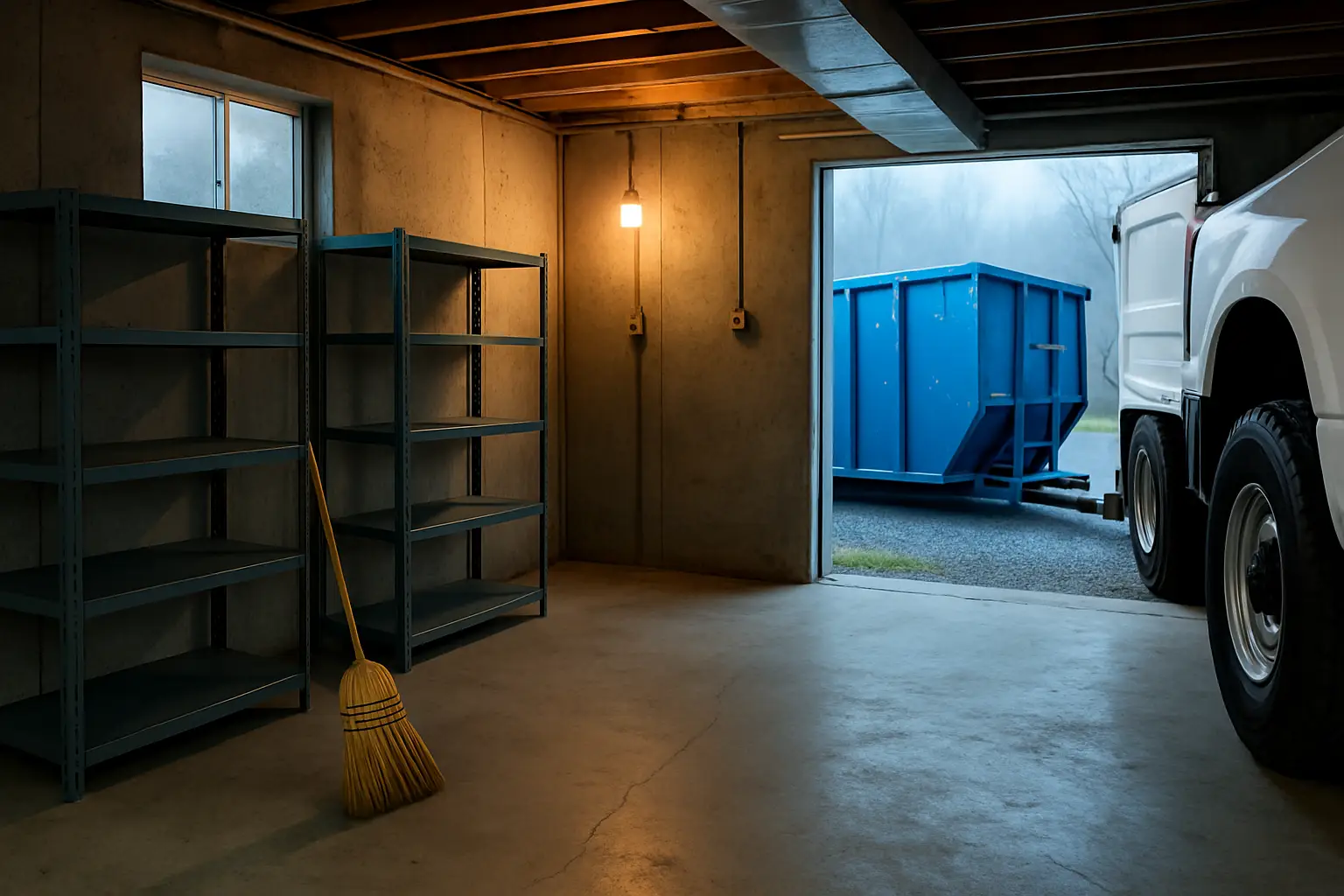
    Garages and basements often hide dense loads: shelving, appliances, old carpet, storage bins, and damp materials. Tell us whether stairs, narrow doors, or a sloped driveway affect loading. The container can then be placed where carrying distance stays manageable and truck access remains clear.

    Dense household debris
  • Moving and Estate Cleanouts

    Moving projects benefit from a container staged near the rooms being emptied, while estate work often combines furnishings with household contents. We help separate unusually heavy items from ordinary household debris and plan around occupied driveways, shared access, and the order in which rooms will be cleared.

    Move-out projects
  • Yard Waste and Brush Dumpsters

    Branches, brush, storm debris, and landscape clearing can fill a container quickly without weighing like masonry. Columbia's wet springs and summer storms can leave material damp, so describe the type of yard waste and whether soil, sod, or treated wood will be mixed with it before scheduling.

    Outdoor cleanup
  • Home Renovation Dumpsters

    Kitchen, bathroom, flooring, drywall, and framing debris each occupy space differently. A renovation container should account for tear-out volume, loading sequence, and any dense tile or masonry. We can help keep the container positioned near the work without blocking the only practical path through the property.

    Remodel debris
  • Roofing Debris Dumpsters

    Roofing material is dense, awkward, and commonly loaded from a driveway or near the house. We discuss roof size, shingle layers, underlayment, and access for the crew. Protecting the surface and keeping the truck approach open are part of choosing a workable placement, not afterthoughts.

    Roofing material
  • Concrete and Heavy Debris Dumpsters

    Concrete, brick, block, dirt, and asphalt require a different conversation from light household debris. Weight can reach the limit before the container looks full, so describe the material and estimated demolition area first. We may recommend a smaller container or a different loading plan for safety.

    Heavy material
  • Same-Day Dumpster Delivery

    Same-day delivery depends on container availability, truck routing, access, and a safe placement plan. It is not a promise that every size can reach every property immediately. Give us the address, material, desired location, and timing so we can identify what is genuinely workable.

    Urgent projects
  • Commercial and Recurring Dumpster Service

    Commercial sites may need repeat pickups, predictable placement, and coordination with contractors or property managers. We discuss the debris stream, loading area, site traffic, and schedule before setting a recurring plan. A practical service arrangement should fit the worksite rather than interrupt deliveries or customers.

    Business projects

How scheduling works

Five checks keep the delivery workable

  1. Describe the project

    Start with the material, rooms or areas being cleared, and the expected loading method. Mention concrete, dirt, roofing, appliances, or other dense items early. Clear information prevents a volume-only recommendation that does not account for weight or handling.

  2. Review the property

    We discuss the address, driveway, street access, overhead obstacles, gates, slopes, and nearby structures. Older Columbia properties may have tighter approaches, while newer subdivisions can have restrictions or unfinished surfaces. The truck needs a route that is safe from the street to the placement area.

  3. Choose a workable size

    The recommended container should leave room for the debris without exceeding material limits. A larger box is not automatically better for heavy loads, and a small box can create extra handling when the project expands. We explain the tradeoff before the delivery is planned.

  4. Confirm placement

    The final location should be level, reachable, and clear of cars, branches, wires, and construction equipment. If the container must sit on a public street, town permission may apply. Tell us the proposed location so we can explain what needs checking before dispatch.

  5. Load with access in mind

    Keep debris inside the container, distribute heavy material rather than concentrating it, and avoid loading above the safe fill line. Leave the truck path open for pickup. If the project changes, discuss the new material or volume before adding items that may not be allowed.

Additional help

Some projects need more than a container

Why local details matter

A container plan should survive the jobsite

  1. Placement gets checked before dispatch

    A truck cannot place a container safely where branches, low wires, parked vehicles, soft shoulders, or a sharp grade block the approach. Holden Dumpster Rental discusses the route and proposed landing area before delivery. Scheduled delivery windows with photo-confirmed container placement give the property owner a record of where the equipment was set, which is useful when a driveway or shared access must remain usable.

  2. Material changes the recommendation

    Volume alone does not describe a load. Roofing, plaster, tile, brick, concrete, dirt, and wet yard debris can become heavy before a container is full. We ask what is being removed and where it came from, then explain when a smaller container or a different loading plan makes more sense. Talking a customer out of excess capacity is better than creating a weight problem.

  3. Columbia properties are not all alike

    A downtown home, a postwar neighborhood, a rural-edge property, and a commercial corridor can present very different access conditions. Driveway width, pavement condition, drainage, overhead clearance, and shared lanes affect the job. We build the plan around those physical details instead of assuming every address has a broad, level place beside the house.

Worksite standards

Small checks prevent large delivery problems

  • Describe dense materials before selecting a container size.
  • Keep the proposed placement area level, clear, and reachable.
  • Protect private driveways from avoidable scraping and concentrated loads.
  • Confirm street placement requirements before equipment occupies public space.
  • Leave overhead wires, branches, gates, and parked vehicles clear.
  • Distribute heavy debris instead of stacking weight in one corner.
  • Keep material below the safe fill line for transport.
  • Tell Holden Dumpster Rental when the project scope changes.

Common questions

Answers before you schedule a container

How much does Dumpster Rental Columbia, MO cost?

The cost depends on container size, rental duration, material, access, placement, and pickup needs. Heavy debris may require a different plan than light household contents, and difficult access can affect scheduling. In Columbia, tell us whether the container will sit on a driveway, lot, or public street. Have the address, project type, material list, and preferred placement ready so we can discuss the right arrangement.

What dumpster size do I need for a home remodel?

A home remodel may fit a 10 Yard, 15 Yard, 20 Yard, or larger container depending on the rooms, tear-out layers, and material density. A bathroom update is not estimated the same way as a whole-room renovation with cabinets and flooring. Columbia homes with plaster, tile, or masonry can create heavier loads. Describe the rooms, surfaces, and expected debris before choosing capacity.

Can a dumpster go in my Columbia driveway?

A dumpster can often sit in a driveway when the surface is firm, level, clear, and reachable by the delivery truck. The approach also needs adequate width, overhead clearance, and room to align. Older Columbia driveways may be narrow or sloped, while wet ground can reduce support. Remove vehicles and obstacles, then provide the proposed placement and surface details before scheduling.

Can I put a dumpster on a Columbia street?

Street placement may require town permission and must account for traffic, visibility, curb access, and the truck's operating space. Requirements can depend on the exact location and how long the container remains there. Tell us the street, nearby intersections, and proposed position so we can explain what to check. Do not reserve public space until the placement plan is understood.

What cannot go in a dumpster?

Not every material belongs in a standard dumpster. Hazardous substances, certain chemicals, fuels, pressurized cylinders, batteries, and other regulated items may require separate handling, while local disposal rules can vary. Tell us about unusual materials before loading them. Keep questionable items aside, retain product labels when available, and ask for guidance based on the actual contents of the project.

How quickly can a dumpster be delivered?

Delivery timing depends on container availability, truck routing, access, placement safety, and the requested size. Same-day service may be possible, but it cannot be promised for every container or address. Columbia traffic, weather, construction, and ground conditions can affect the workable schedule. Have the property address, desired size, material, and a clear placement area ready when discussing timing.

How should I prepare for dumpster delivery?

Clear the placement area and truck approach of vehicles, branches, wires, gates, materials, and other obstacles. Confirm that the ground is firm and level, and identify whether the container would occupy private property or a public street. Columbia's wet weather can soften shoulders and yards. Mark the preferred location, move parked cars, and explain any slope, drainage, or shared access.

Can I rent a dumpster for roofing or concrete?

Roofing and concrete projects can use a dumpster, but the material must be discussed before the size is selected because weight may limit the load before the container is full. Shingles, brick, block, dirt, asphalt, and concrete do not behave like household debris. Tell us the approximate work area and material type, then plan a level Columbia placement with clear truck access.

Plan the delivery

Bring the job details to the phone

Holden Dumpster Rental can discuss the material, size, placement, access, and preferred timing for your Columbia project. Availability is 24/7, Monday to Sunday. A short, accurate description helps us recommend a container that fits the work instead of defaulting to the largest option.

Phone

(573) 520-7478

The call covers project material, container size, property access, placement, scheduling, and any unusual disposal concerns.

Availability

24/7
Monday to Sunday, day and night

Have this ready

  • Property address and placement area
  • Project type and expected debris
  • Driveway, street, or lot access
  • Preferred delivery and pickup timing

Where we work

Columbia, plus Hallsville, Ashland, Rocheport, Harrisburg, Centralia, Sturgeon, Fulton, Boonville, Fayette and New Franklin.

See the full service area list

Get the container plan right before work starts

Tell Holden Dumpster Rental what you are removing, where the container can sit, and what the truck must navigate. We will help compare size, material, access, and scheduling so the plan fits Columbia property conditions.

Click Here to Call(573) 520-7478

Local coverage

Dumpster service based in Columbia

Holden Dumpster Rental focuses on Columbia and nearby Boone County communities, including Hallsville, Ashland, Rocheport, Harrisburg, Centralia, Sturgeon, Fulton, Boonville, Fayette, and New Franklin. Coverage details can depend on the project, container size, truck route, and placement conditions. Tell us the exact address and material so the delivery plan reflects the property rather than a generic service area.

Downtown ColumbiaNorth Central ColumbiaOld SouthwestEast CampusColumbia Mall areaWest Broadway corridor

Dumpster Rental in nearby towns

Click Here to Call(573) 520-7478